To start coarse fishing, buy a rod licence (£7.30 a day on GOV.UK), take a float rod of 10ft or more or a short whip to a canal or lake, and bait up with maggots or sweetcorn. Expect roach, perch and bream first.
What is coarse fishing?
Coarse fishing is rod-and-line angling for freshwater species other than salmon and trout. The Canal & River Trust counts about 30 species in its waterways, and says beginners usually catch roach, gudgeon, bream, perch, carp and tench.
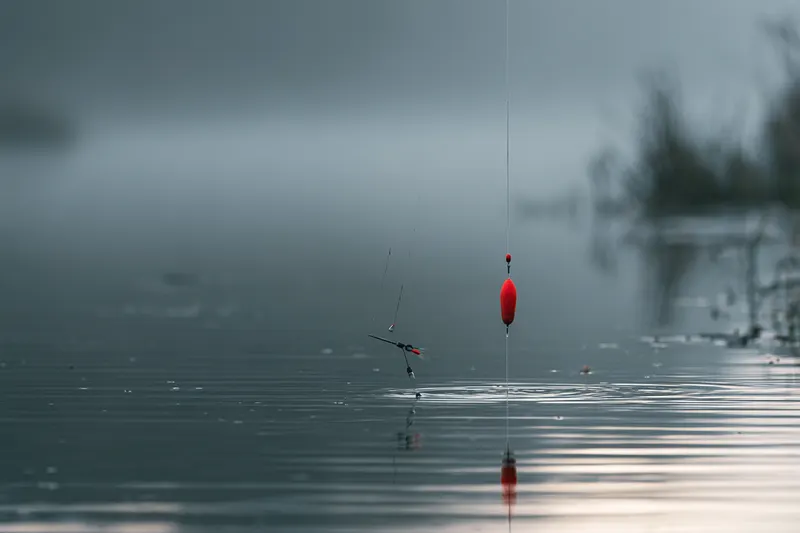
Three methods cover most sessions: the float, the feeder and the pole. For your first float setup, follow our guide to float fishing, shotting and the waggler.
Do you need a rod licence?
Yes, anyone aged 13 or over needs a rod licence to fish for freshwater fish in England and Wales, even on a private lake. GOV.UK says fishing without one can cost up to £2,500.
Rod licence cost, up to 2 rods
A junior licence for ages 13 to 16 is free, and under-13s need none. For the detail on rod limits and renewals, read rod licence and close season rules. The licence is only half of it: you also need permission from whoever controls the water.
Where should a beginner fish first?
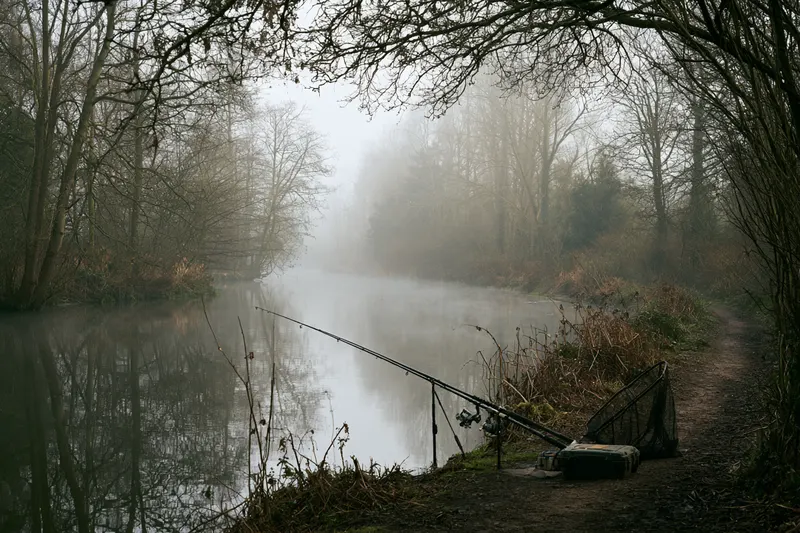
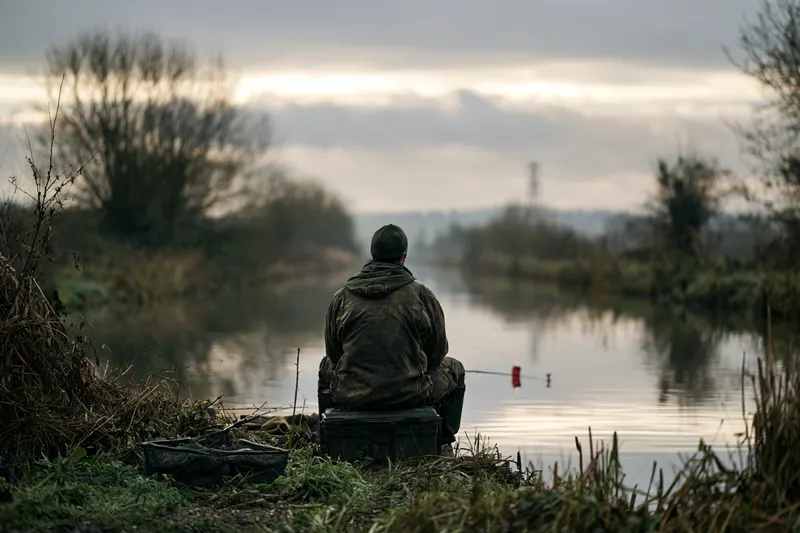
A canal or a well-stocked lake is the best first venue for a beginner, because fish are close to the bank and tackle stays simple. On a canal, the Waterway Wanderers permit costs £28 for adults, £18 for concessions and £7 for juniors for 12 months.
That permit covers about 300 miles of Canal & River Trust water. Other stretches belong to clubs, which need a membership or a day permit. The Trust also runs free Let's Fish sessions for ages 6 and up, with tackle, bait, a coach, licence and permit included.
What tackle do you need to start?
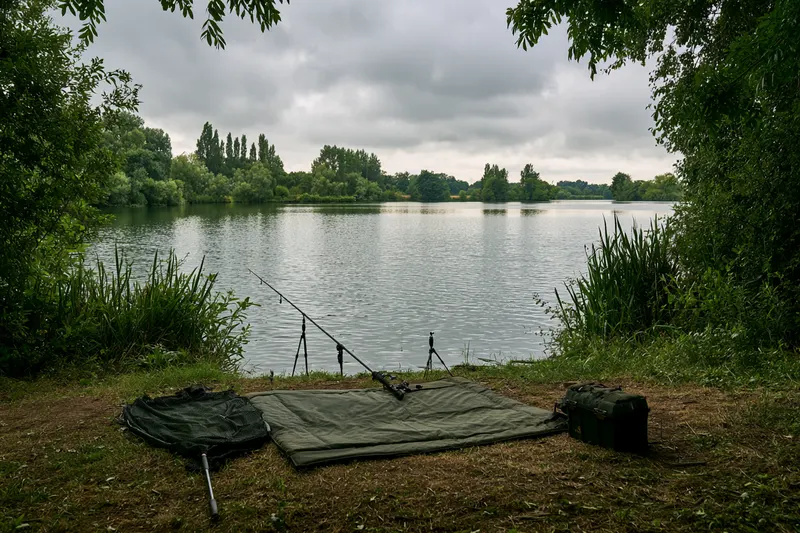
A beginner needs one rod or whip, a simple float rig, a disgorger, a landing net and a seat. Angling Times suggests float rods of 10ft or more and a 16 to 18in spoon net on a 3m handle.
First session kit
- Rod licence and water permit
- Float rod of 10ft+, or a short whip
- Simple float rig
- Plummet to find the depth
- Disgorger
- Landing net on a handle
- Seat or tackle box
- Maggots or sweetcorn
Save a feeder rod for later. Angling Times recommends 11 to 12ft for range, or a short 7ft rod for close work. If carp are your target, the setup changes: see carp fishing for beginners.
Which bait should you use first?
Maggots are the safest first coarse bait, catching roach, rudd and perch according to Angling Times, which suggests taking at least half a pint. Sweetcorn is the cleaner choice and picks out tench, bream, carp and big roach.
First baits compared
| Best for | Tip | |
|---|---|---|
| Maggots | Roach, rudd, perch | Take at least half a pint |
| Dead maggots | Carp, bream, tench | Angling Times' pick for bigger fish |
| Worms | Perch especially | A simple hookbait |
| Sweetcorn | Tench, bream, carp, big roach | Size 14 or 16 hook |
| Bread punch | Canal fish | Size 18 to 22 hook, 8mm punch |
When can you fish?
Coarse fishing on rivers, streams and drains in England stops from 15 March to 15 June inclusive. Most stillwaters and canals stay open, though some canals and protected stillwaters follow the river close season, so check locally.
Coarse close season in England
GOV.UK points Welsh anglers to Natural Resources Wales for their own rules. Check the local byelaws before any spring session.
Which rules catch beginners out?
Lead weights and keepnets are the two national rules beginners most often miss. GOV.UK allows lead shot only of 0.06g or less, or over 28.35g, so buy non-toxic shot for the sizes in between.
Keepnets must be longer than 2m, with no knotted or metal mesh. On rivers you may take up to 15 small fish a day, each up to 20cm. Fisheries add their own rules, and some ban keepnets outright, as Follyfoot Fishery does.
Check your rules
01Does a 12-year-old need a rod licence?
GOV.UK exempts under-13s. Ages 13 to 16 need a free junior licence.
02Do you need a licence on a private lake?
GOV.UK says a licence covers freshwater fish, including on private lakes.
03Can you fish a river in England on 1 May for coarse fish?
The river close season runs from 15 March to 15 June inclusive.
04Which lead shot is legal?
GOV.UK allows lead only at these sizes. Use non-toxic shot in between.
Pick an answer – the explanation appears straight away.
Questions we get asked
How much is a rod licence for a beginner?
£7.30 for one day, £14.70 for eight days or £36.80 for 12 months, for up to two rods, according to GOV.UK. Juniors aged 13 to 16 pay nothing.
Can I fish on a canal without a permit?
No. You need a rod licence and permission for that stretch, such as a Waterway Wanderers permit or a club day ticket. The Canal & River Trust says most canals stay open all year.
What is the easiest fish to catch first?
Roach and perch are among the easiest, and the Canal & River Trust lists both among the fish beginners usually catch. Maggots on a simple float rig suit both.
Can I try fishing without buying tackle?
Yes. Let's Fish sessions from the Canal & River Trust are free in most listings, for ages 6 and up, and supply tackle, bait, a coach, a licence and a permit. Events usually run from March to October.
Buy your licence, get permission for the water, and keep the first session simple: one float rod or whip, maggots or corn, a disgorger and a landing net on a canal or stocked lake.
References
- Buy a rod fishing licence (GOV.UK) — Licence prices, junior and concession rates.
- Fishing licences (GOV.UK) — Who needs a licence, area covered, under-13 exemption, fine.
- Freshwater rod fishing rules: tackle (GOV.UK) — Keepnet and lead weight rules.
- Freshwater rod fishing rules: size and catch limits (GOV.UK) — Daily limit of small fish on rivers.
- Close season for coarse fishing (GOV.UK) — Dates and waters covered (2022 notice; the dates are the standing rule).
- Beginner's guide to canal fishing (Canal & River Trust) — Species, kit list and canal baits.
- Waterway Wanderers (Canal & River Trust) — Permit prices from 1 April 2026.
- Let's Fish (Canal & River Trust) — Free coaching sessions.
- How to start fishing (Angling Times) — Rod lengths, hooklengths, landing net.
- The best fishing baits (Angling Times) — Which bait catches which species.
- Fishery rules (Follyfoot Fishery) — Example of a fishery banning keepnets.