To start float fishing, use a 12 or 13ft match rod with a small reel and 3 to 6lb line: a straight waggler on stillwaters, a stick float on rivers. Put at least two-thirds of the float's shot around its base, plumb the depth before you start, then feed little and often.
What tackle do you need for float fishing?
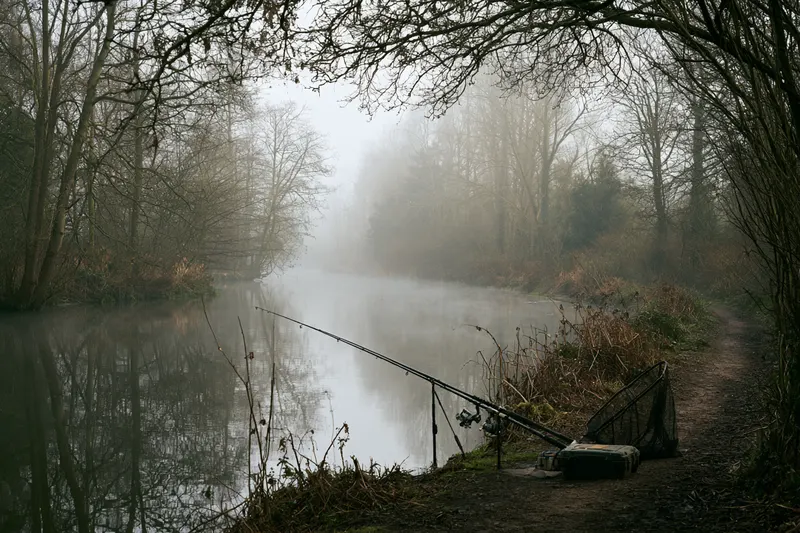
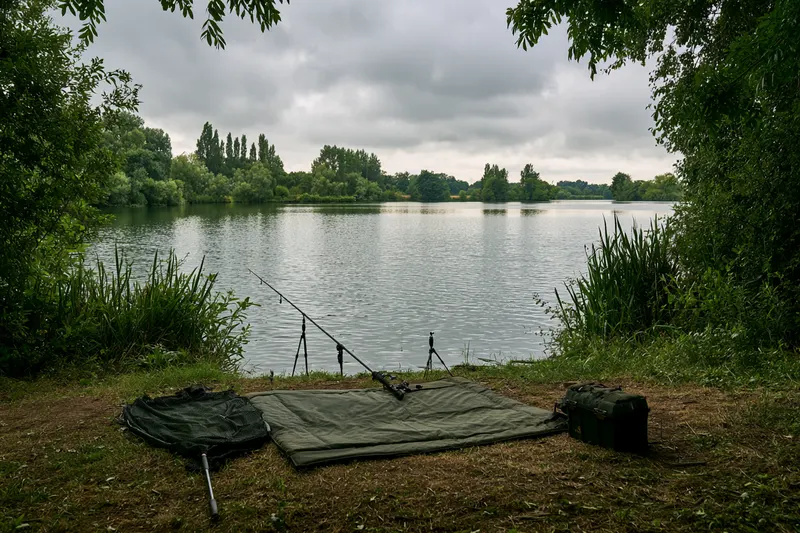
For rivers, canals and smaller stillwaters, a 12 or 13ft match rod with a small reel covers most float fishing. Lines of 3 to 6lb suit roach, dace and perch, while tench and carp call for heavier line. On canals, the Canal & River Trust also suggests a short pole or a telescopic whip as a simple start.
Waggler or stick float?
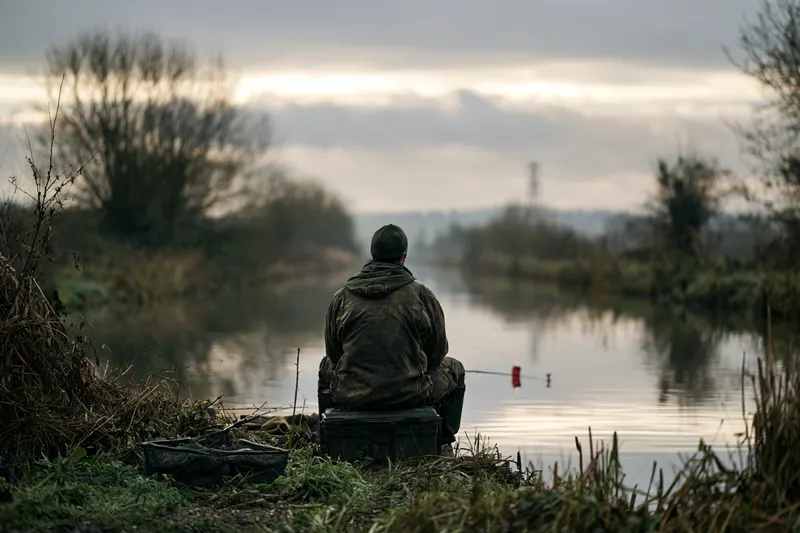
The two floats every beginner should know work in different ways. The waggler is attached by the bottom end only and is designed mainly for stillwaters and canals. The stick float is attached top and bottom with float rubbers, giving more control as the rig travels downstream: it is the first choice for running water.
Waggler or stick float?
| Waggler | Stick float | |
|---|---|---|
| Attached | Bottom end only | Top and bottom |
| Best water | Stillwaters and canals | Rivers |
| For beginners | Start with a straight waggler | A fairly heavy float is easier |
| Strength | Casting range, wind | Control in flow |
If in doubt on a stillwater, start with a straight waggler. Its thicker tip copes with wind and bigger baits; switch to an insert waggler, with its slimmer tip, for shy biters on calm, cold days.
How do you shot a float?
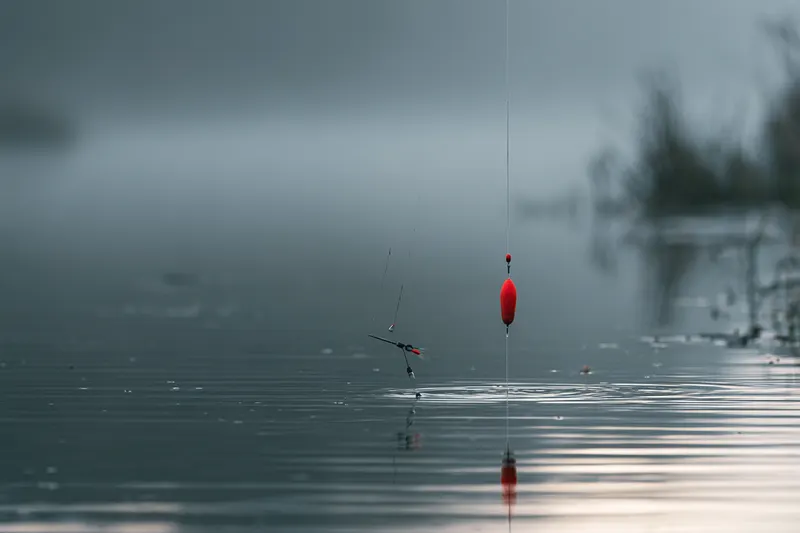
The number printed on a float tells you how much shot it takes. With a waggler, put at least two-thirds of that weight around the base of the float as locking shot; too much weight down the line tends to cause tangles.
Shotting a simple waggler
- Fit an adaptorUse a silicone float adaptor so you can swap floats.
- Lock the floatPut the bulk of the shot either side of the adaptor.
- Add droppersAdd a few No6 or No8 shot around mid-depth.
- Finish near the hookSpread two or three No8 shot for a slow final fall.
- Check the tipAdjust until only the tip shows.
Shot spread evenly down the line, sometimes called a shirt-button pattern, gives the bait a slow, natural fall. Bunching the shot in a bulk about 18 inches from the hook gets the bait down faster in deep water or past small fish. A tiny tell-tale shot, size 8 to 12, no more than six inches from the hook, helps show bites.
How do you find the depth?
Many coarse fish feed on or near the bottom, so you need to know the depth. A plummet clipped to the hook does the job: cast it to your spot and adjust the float until its tip just shows.
Plumbing the depth
- Attach the plummetHook it on, or use two AAA shot in a bait band at range.
- Cast to your spotUse a smooth underarm swing for little splash.
- Read the floatPulled under: set too shallow. Too much showing: set too deep.
- AdjustMove the float until the tip just shows.
- Go over-depthThen add four to six inches so the bait rests on the bottom.
For a waggler, start with the rig set four to six inches over-depth so the bait rests on the bottom. When trotting a stick float on a river, set it just off the bottom. Canals are shallow: about 4 to 5 feet in the middle and around 2 feet at the edges.
How much should you feed?
Loose feed draws fish in and keeps them there. Feed bait and cast often to get more bites and explore your swim fully. Keep quantities modest at first: you can always add more, but you cannot take feed back out. Bread punch and maggots, including pinkies, are classic canal baits.
What will you catch?
Five target species
| Look for | Good baits | |
|---|---|---|
| Roach | Silver body, orangey-red fins, shoals | Maggots, bread punch |
| Rudd | Golden scales, blood-red fins, surface feeder | Maggots, floating casters, bread |
| Perch | Dark stripes, reddish fins | Maggots |
| Bream | Large shoals, flat sides | Maggots |
| Tench | Olive-green, small red eyes | Maggots, casters, worms |
Unhook small fish with a disgorger and return them carefully. Before your first trip, check the rod licence and close season rules, because rivers are closed to coarse fishing in spring. When you are ready to step up to bigger fish, read our guide to carp fishing for beginners.
Questions we get asked
What is the best float for beginners?
On stillwaters and canals, a straight waggler: its thicker tip copes with wind and bigger baits. On rivers, a stick float attached top and bottom gives more control.
How much shot goes on a waggler?
The number printed on the float tells you. Put at least two-thirds of that weight around the base of the float as locking shot, and spread the rest down the line.
How deep should I set my float?
Plumb the depth first, then set a waggler four to six inches over-depth so the bait rests on the bottom. On rivers, set a stick float just off the bottom.
What line should I use for float fishing?
Lines of 3 to 6lb suit roach, dace and perch. Tench and carp call for heavier line.
Use a waggler on stillwaters and canals and a stick float on rivers, lock most of the shot around the waggler, plumb the depth carefully, and feed and cast often to keep fish in your swim.
References
- Float fishing guide (Fisheries.co.uk) — Waggler and stick float choice, two-thirds locking shot, shotting patterns, tell-tale shot, rods and line strengths.
- How to tie a simple waggler rig (Angling Times) — Float adaptor, bulk around the float, No6 and No8 droppers, starting 4–6in over-depth.
- How to plumb the depth when float fishing a waggler (Angling Times) — Using a plummet close in and AAA shot on the hook at range.
- Beginner's guide to canal fishing (Canal & River Trust) — Canal depths, baits, target species, disgorger and permits.
- Rudd (Canal & River Trust) — Rudd identification, surface feeding, baits and typical size.